
Waterscape.net Case Study: Turning Organic Search Visibility Into Direct Vacation-Rental Customers
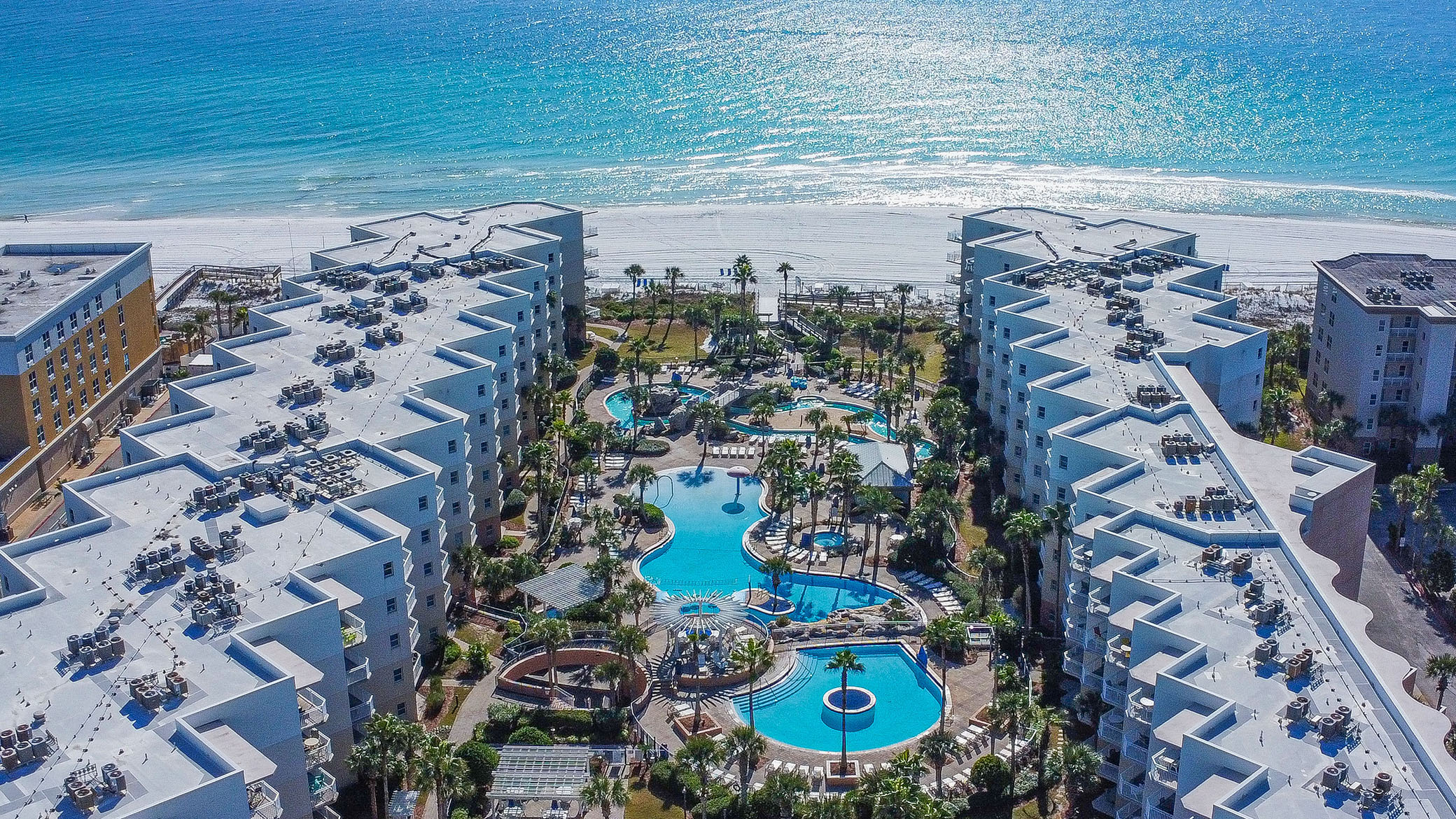
Waterscape.net is the direct-booking website for one condo we own and manage, competing inside Waterscape Resort, a 336-unit beachfront resort on Okaloosa Island in Fort Walton Beach, Florida.
The site could generate visibility. That visibility wasn’t consistently becoming direct business.
This wasn’t fundamentally a traffic problem. It was a customer-acquisition problem.
The business outcome
What changed in the business?
Living case study · Evidence as of October 2026
During a recent two-month period, Waterscape.net received 8–10 direct bookings, while rental performance tracked approximately 10% ahead of the property’s previous best year.
- 8–10
Direct bookings
Received during a recent two-month period.
- 4–5
Phone contacts per week
Approximately four to five Waterscape-related calls a week, on a consistent basis.
- 3
Website inquiries in 2 days
Three direct inquiries during a recent two-day period.
- ~10%
Ahead of the previous best year
Rental performance tracking approximately 10% ahead of the property’s previous best year.
Owner-reported business activity from a system that is still developing. Results are not attributed to any single page or channel.
Something changed in the business. Here’s what we learned, and what we did.
The problem
Why wasn’t visibility enough?
Waterscape.net could attract attention, but in its first four years online it produced zero organic bookings. Attention alone wasn’t producing direct customers.
The obvious question:
“How do we get more traffic?”
The better question:
“Why are qualified travelers finding the site without moving toward a direct booking?”
Impressions, rankings and traffic mattered, but only as a means. Search visibility mattered. It just couldn’t be the measure of success.
The objective was turning qualified attention into direct business.
The diagnosis
What were travelers actually trying to decide?
Before booking, travelers were trying to understand Waterscape itself.
Their questions were about the resort, not the listing:
- Where is everything?
- Which building or location works for my family?
- What do the floor plans actually mean?
- How close will we be to the pools, beach and parking?
- Which unit configuration fits us?
- How does booking work?
The customer had decisions to make before they were ready to make a booking decision.
The strategic decision
What was the strategic decision?
Instead of promoting the condo harder or trying to manufacture more traffic, we organized Waterscape.net around helping travelers understand the resort and make confident decisions.
Diagnose first. Then decide what deserves investment.
- Answer real traveler questions
- Reduce uncertainty
- Establish trust
- Make the next action obvious
The answer was to remove what kept existing attention from becoming business.
What changed
How was the strategy put to work?
Through a focused set of tools. We chose each one because it helped a traveler make one of those decisions.
Organic search connected these resources with travelers already researching the resort, so each useful answer became another way in.
StrategyHelp the customer understand the resort and decide with confidence.
Tools used to execute it
Understanding the resort
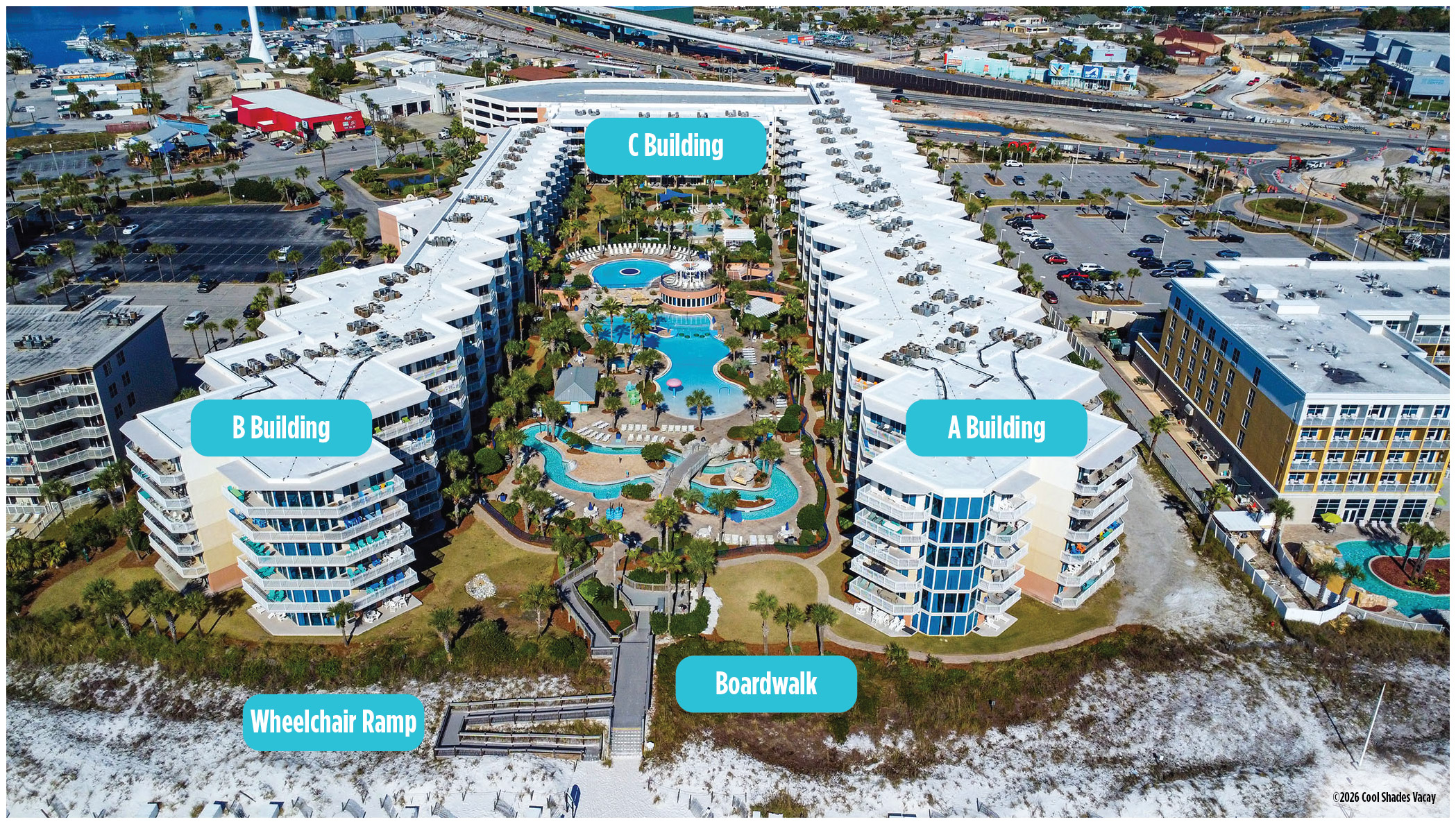
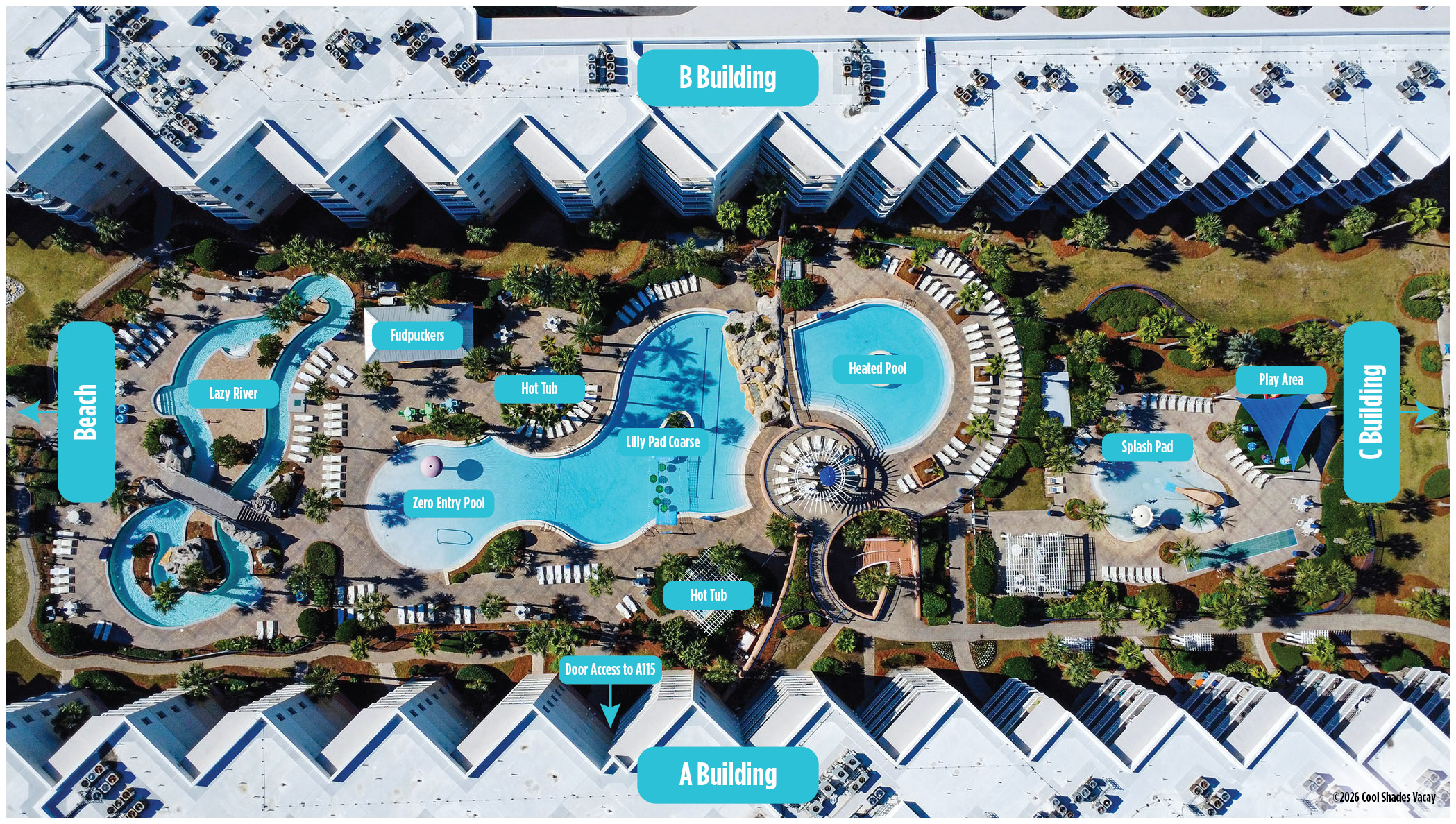
- Useful resort maps
- Understandable floor plans
- Building and location guidance
- Traveler education
Moving toward a booking
- Clearer information architecture
- Stronger paths toward booking
- Easier contact
- Improved mobile experience
Being found, and knowing what worked
- Organic search around real traveler questions
- Measurement
These are tools. The strategy decided which ones mattered.
Signals vs. business evidence
Data informs the decision. The business outcome judges it.
Signals
Is customer behavior changing?
- Rankings
- Impressions
- Clicks
- Organic visibility
- Traffic
- Customer behavior
These help us understand whether customer behavior is changing.
On Waterscape.net: high-intent resort map and floor-plan resources reached leading organic search positions.
Business evidence
Is the business changing?
- Direct bookings
- Qualified inquiries
- Phone contacts
- Conversion behavior
- Rental performance
- Demand beyond available inventory
These tell us whether the business is changing.
On Waterscape.net: direct booking activity increased, while qualified guests also began contacting us when the available unit couldn’t accommodate them.
Rankings and traffic matter. They play a different role: they inform the work.
What happens next
What’s the next test?
The first test was whether the system could create direct demand for one condo.
The next test is how far that demand can scale.
Waterscape is moving from one available unit toward three. That raises the next question: can the same customer-acquisition system support additional inventory?
It’s the next measurement cycle. The results will show the answer.
The Waterscape cycle so far
- BaselineVisibility without consistent direct business
- DecisionHelp the customer decide
- ActionRebuild around traveler decisions
- MeasurementBookings, calls and inquiries
- LearningQualified demand exceeded available inventory
- Next decisionTest the system with more inventory
The lesson
Visibility isn’t customer acquisition.
The lesson isn’t that SEO works, that websites work, or that content works. Those were tools.
Attracting attention and turning that attention into business are different problems.
The goal wasn’t a better website.
The goal was a better‑performing business.
Written by Scott Meier · Evidence as of
Start a conversation
What are you trying to change in your business?
Many businesses have their own version of the Waterscape problem: attention that isn’t becoming business.
Start with the outcome you want. We’ll work backward from there.
Start a conversation →How we’re different →
No predetermined solution. Just a conversation about the business.